WordPress vs. Wix, Squarespace, Shopify & Framer, Explained
By Eagle Digital
21 Aug, 2026
Let's build something you're in control of
Have you ever stopped to ask yourself whether you actually own your website?
Most business owners never think about it until the day they want to leave. Maybe the platform raises its prices, the monthly plan no longer makes sense, or the website can no longer keep up with the business. That's often when the question of ownership becomes important — what do you actually own, and what are you simply paying to use?
This isn't about saying one platform is good and another is bad. It's about understanding the difference between two fundamentally different ways of building a website: one where you control the website and its underlying infrastructure, and one where your website lives inside a platform you subscribe to.
Once you understand that difference, it changes how you evaluate platforms, plan your website, and think about the long-term future of your business online.
With hosted website builders such as Wix, Squarespace, Shopify and Framer, you can own the content you create and upload, but the platform controls the software, hosting environment and systems your website runs on. Your website exists within that platform rather than as a collection of files and infrastructure that you can freely move to another host.
You own the content. The platform owns the environment.
That distinction matters when you want to leave. You may be able to export or copy some of your content, but the website's design, platform-specific functionality and underlying system generally remain tied to the platform.
A self-hosted WordPress website works differently. You have direct access to the website files and database, and you choose where the website is hosted. WordPress itself is open-source software, so your website isn't tied to WordPress.com or to a single hosting company.
That gives you much more control over the website's infrastructure. Your theme, plugins, content and database can be backed up, accessed and migrated by developers. If you decide to change hosting providers, you can move the website instead of rebuilding it simply because you changed providers.
You also have greater technical flexibility. Depending on your setup, you can control things such as schema markup, canonical tags, caching, server configuration and other technical aspects of your website.
| FEATURE |  WORDPRESS WORDPRESS |
 |
 SQUARESPACE SQUARESPACE |
 SHOPIFY SHOPIFY |
 FRAMER FRAMER |
|---|---|---|---|---|---|
| You own the code/files | Yes — full file access | No | No | Portal — theme file only | No |
| You own the database | Yes — exportable | No | Partial — text/blog only | Partial — product data only | No |
| Choice of hosting | Any host, anytime | Any host to Wix | Locked to Squarespace | Locked to Shopify | Locked to Framer |
| Full site export | Yes | No official export | No full-design export | No full-store export | No code export |
| Cost to switch platforms | Migrate files / database | Rebuild from scratch | Rebuild from scratch | Rebuild from scratch | Rebuild from scratch |
The key difference isn't what you can build. It's what you can take with you.
Let's make this easier to understand with a simple example: the difference between leasing a car and buying one.
Pay a monthly fee to use it.
Drive it whenever you need it.
Choose color and add features.
Personalize within given limits.
Return it when the rental ends.
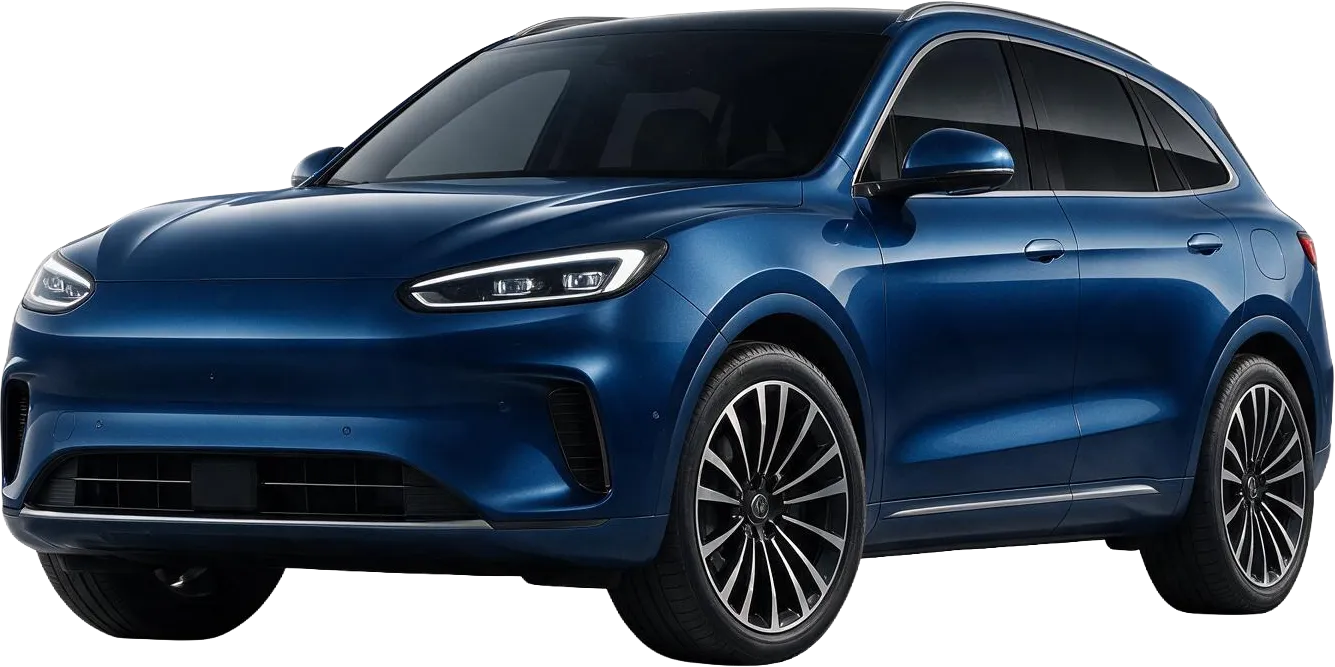
Pay for the car and own it.
Drive it whenever you need it.
The car is yours do what ever you want.
Personalize however you want.
Keep it for as long as you want.

Now, let’s apply the same idea to websites.
Using a subscription-based website builder (WIX, Squarespace, Shopify, Framer, ...) is similar to leasing a car. You pay to use the platform, build your website inside its system, and keep access as long as your subscription continues.
Building your website with WordPress is different. You can own the website files and database, choose where it is hosted, and move it to another hosting provider when you need to.
The website may look the same on the surface, but who controls what's underneath is completely different.
You might be able to take some content with you (like text, images or product data), but the platform-specific design, layout and functionality usually need to be recreated on the new platform.
(Wix, Squarespace, Shopify, Framer)
No full site export
Manual content transfer
Design & features must be rebuilt
Integrations need to be replaced
More time, more cost
(Self-Hosted)
Full access to files & database
Easy to move to another host
Design & features Stay with you
Integrations are portable
Save time, cost & effort
The more your website grows, the more expensive and time-consuming it can become to rebuild. What starts as a simple five-page website can eventually include years of content, SEO value, integrations, customer journeys, products and custom functionality.
At that point, changing platforms isn't simply a matter of moving a few pages. You may need to migrate content, recreate features, replace integrations and make sure the new website preserves everything that has already been built.
The bigger your website becomes, the more valuable control and portability become.
Owning a website isn't about which platform looks better or which one launches faster. It's about understanding what you control once the website is live.
A self-hosted WordPress website gives you direct access to your files and database, control over your hosting environment, and the freedom to move your website when your business needs change. Hosted platforms such as Wix, Squarespace, Shopify and Framer can make building and managing a website easier, but your website remains dependent on the platform that runs it.
There's nothing wrong with renting a platform when it fits your business. The important thing is knowing the trade-off before you build years of content, traffic and functionality on top of it.
The real question isn't which platform is easiest to start on. It's which one you're still in control of five years from now.
Build a website that gives you control today, and the freedom to grow and change tomorrow.